
A Scoping Report of Value Chains and MSME Development in Mzimba and Kasungu Districts
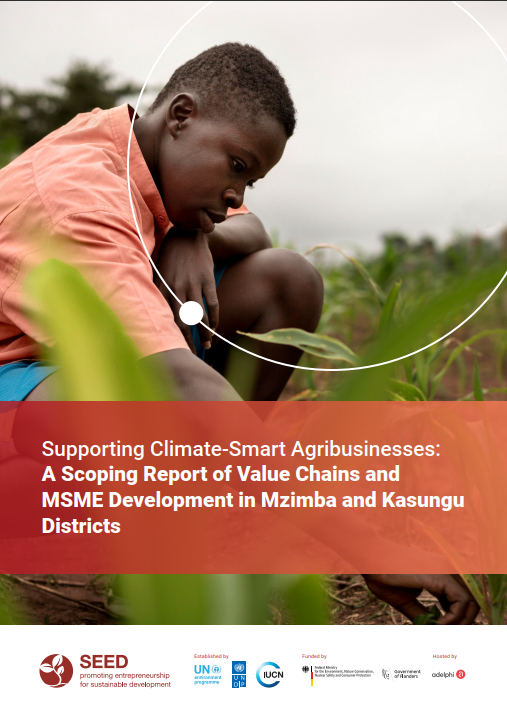
By synthesizing field insights, project documentation and recent research, the report identifies persistent barriers to certification, market access, and formalization for MSMEs, while highlighting local innovations in gender and youth empowerment and climate-smart agriculture. The study concludes with actionable recommendations, including investing in rural infrastructure, formalizing inclusion metrics, and fostering stronger collaboration among ecosystem actors.
Agriculture remains the backbone of Malawi’s economy, contributing one-third of GDP and employing over 70 percent of the population, figures that are even higher in rural districts such as Mzimba and Kasungu. These regions are recognized for their agricultural diversity, with value chains spanning coffee, soy, honey, horticulture, and tobacco. However, the sector faces persistent challenges including low productivity, limited access to finance and technology, and high vulnerability to climate shocks such as erratic rainfall and flooding. As one local coffee producer in Mzimba explained, “We have years when coffee performs well, but also years when it does not, especially if you do not use sustainable approaches to growing. Land degradation and erratic rainfall are big challenges for us.”